
ISTP Personality Type: Traits, Strengths, and How ISTPs Think
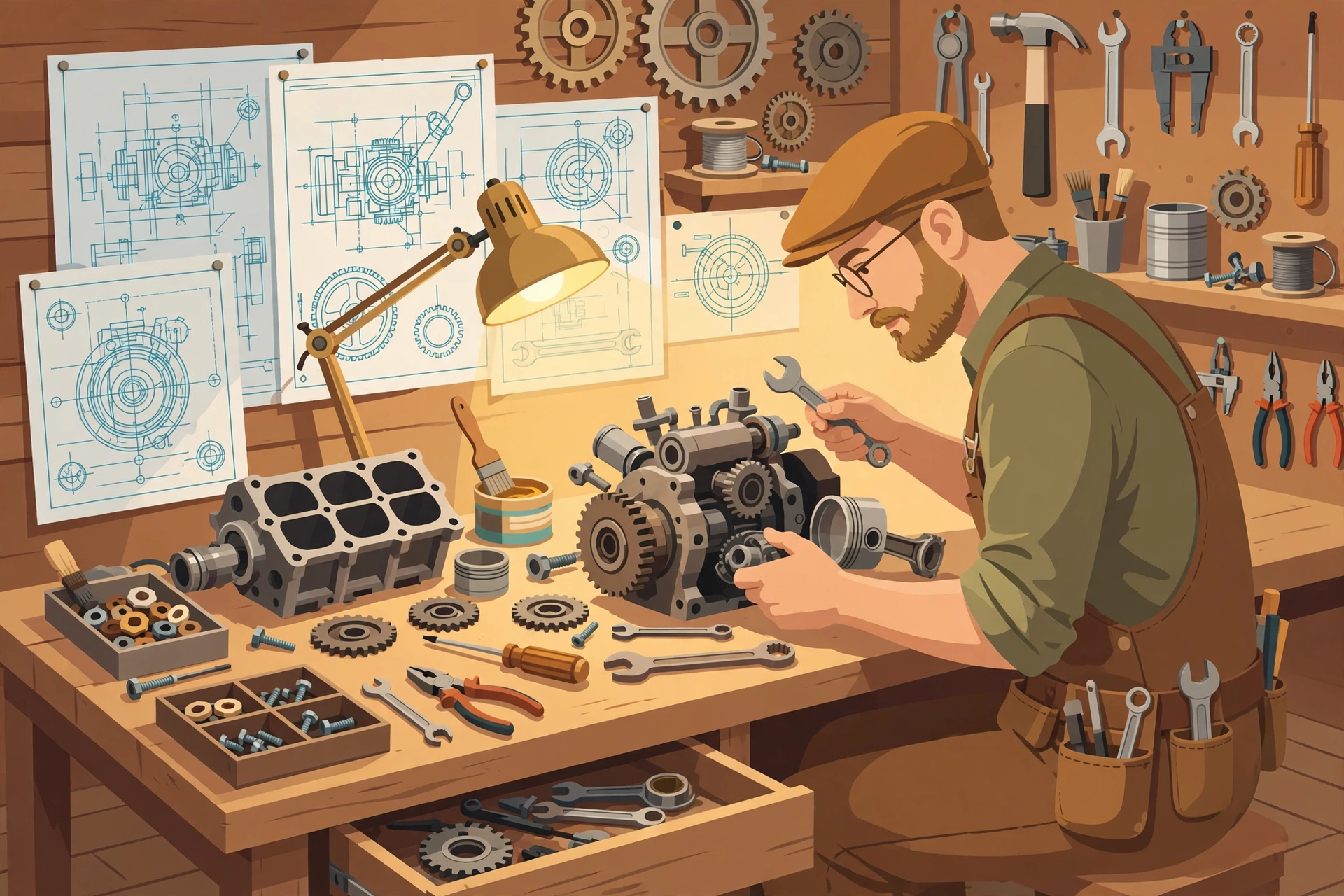
The ISTP personality type — nicknamed the “Virtuoso” — is one of the most quietly fascinating profiles in the world of personality psychology. If you have ever met someone who can take apart a broken gadget and reassemble it without glancing at a manual, who stays perfectly calm while everyone else panics, and who seems to value freedom above almost everything else, you have probably met an ISTP. These hands-on problem-solvers prefer to observe, tinker, and act rather than talk about themselves, which is why they often fly under the radar despite making up a meaningful share of the population.
In this complete guide, we break down what the ISTP personality type really means: the four letters behind the label, the core traits that define ISTPs, their greatest strengths, their blind spots, the careers where they thrive, how they show up in relationships, and answers to the most common questions people ask about this type.
What Does ISTP Stand For?
The four letters come from the Myers-Briggs Type Indicator, one of the most widely used personality frameworks in the world. Each letter describes a preference in how a person perceives the world and makes decisions:
- Introverted (I): ISTPs recharge their energy by spending time alone or in small, trusted company. Large social gatherings drain them, and they prefer depth over breadth in their relationships.
- Sensing (S): They focus on concrete facts, real-world details, and what can be observed through the five senses, rather than abstract theories or speculation about the future.
- Thinking (T): ISTPs make decisions primarily with logic and objective analysis. They value fairness and consistency, and they are not easily swayed by emotional appeals.
- Perceiving (P): They prefer to keep their options open and adapt spontaneously rather than follow rigid plans. Structure feels confining to an ISTP; flexibility feels like freedom.
Together, these preferences describe someone who observes the world carefully, thinks logically, and adapts in the moment — the essence of the Virtuoso. For a fuller official profile, you can read more about the ISTP personality type.
Core Traits of the ISTP Personality
Practical, Hands-On Problem-Solvers
ISTPs learn by doing. Give them a tool, a machine, or a broken system, and they will figure it out through direct experimentation. They are less interested in theories about how something should work and far more interested in getting their hands on it and discovering how it actually works. This trial-and-error approach makes them exceptional troubleshooters — the kind of people you call when something breaks and nobody else can fix it.
Calm in a Crisis
When pressure mounts, most people get louder and more emotional. ISTPs get quieter and more focused. Their thinking preference and present-moment awareness combine into a remarkable ability to stay level-headed during emergencies. They assess the situation, identify the most practical action, and take it — often while others are still processing what happened.
Fiercely Independent
Autonomy is the air ISTPs breathe. They want to work at their own pace, on their own terms, and they resist being micromanaged or boxed into routines. This independence is not arrogance; it is simply how they function best. Trust an ISTP with a task and give them space, and they will usually deliver something better than you expected.
ISTP Strengths
- Resourceful and adaptable: ISTPs are masters of improvisation. They can make do with whatever tools and materials are at hand, turning constraints into creative solutions.
- Logical and objective: Their decisions are grounded in reason rather than emotion, which makes their judgment reliable when stakes are high and clarity matters most.
- Observant: ISTPs notice details others miss — the slight change in an engine’s sound, the small inconsistency in a story, the unspoken tension in a room.
- Practical: They have little patience for abstract fluff. Everything an ISTP does is aimed at real, tangible results, and they cut straight to what works.
- Spontaneous: While others need weeks to plan, an ISTP can seize an opportunity in the moment, which makes life with them full of pleasant surprises.
- Easygoing: ISTPs rarely sweat the small stuff. Their relaxed attitude and dry sense of humor make them enjoyable company once you earn their trust.

ISTP Weaknesses and Growth Areas
- Can seem insensitive: Their direct, logic-first communication style can come across as blunt. ISTPs often do not realize how their honest words land on more sensitive listeners.
- Prone to boredom: Once a project loses its challenge, an ISTP’s interest can vanish overnight. They may abandon commitments that no longer stimulate them.
- Resistant to commitment: Long-term plans and rigid obligations feel like traps. ISTPs may avoid commitments that limit their freedom, even beneficial ones.
- Risk-taking: Their love of excitement and confidence in their reflexes can lead to unnecessary risks, from extreme sports to impulsive decisions.
- Private to a fault: ISTPs guard their inner world so closely that even close partners can feel shut out. Opening up takes conscious effort for them.
ISTP Careers: Where Virtuosos Thrive
ISTPs do their best work in roles that combine practical problem-solving with independence and variety. They are drawn to careers where they can use their hands, their analytical minds, and their cool-headed judgment. Popular career paths for ISTPs include engineering, mechanics, IT support, emergency services, piloting, carpentry, forensic science, and skilled trades of all kinds.
What ISTPs generally dislike are highly bureaucratic environments, endless meetings, and roles that demand constant emotional labor or rigid routine. They need the freedom to solve problems their own way. ISTPs share their love of hands-on, present-moment living with another type: the ISFP personality type, whose decisions are guided by personal values rather than pure logic. If you see yourself in both descriptions, exploring each type can help you find the better fit.
ISTPs in Relationships
As Friends
ISTPs are loyal but low-maintenance friends. They will not call you every day or plan elaborate get-togethers, but they will show up — tools in hand — when you genuinely need help. They bond through shared activities rather than long emotional conversations, so expect adventures, projects, and experiences rather than heart-to-hearts.
As Romantic Partners
In romance, ISTPs are affectionate in action more than words. They express love by fixing your car, building you something, or planning a spontaneous trip — not by writing poetry. Partners who need constant verbal reassurance may struggle at first, but those who appreciate a steady, capable, exciting partner often find ISTPs deeply rewarding.
As Family Members
ISTP parents tend to be fun, flexible, and hands-on, teaching their children practical skills through real-world experience. They give their kids plenty of freedom to explore, sometimes more than cautious co-parents would prefer. Their challenge is remembering that children also need emotional availability, not just adventures.
Frequently Asked Questions
What is the ISTP personality type known for?
ISTPs are known as practical, independent problem-solvers who learn by doing. Nicknamed “Virtuosos,” they excel at working with tools, machines, and systems, stay calm under pressure, and value personal freedom above almost everything else.
Are ISTPs intelligent?
ISTPs are highly intelligent in a practical, applied sense. They may not always shine in theoretical classroom settings, but their mechanical reasoning, spatial awareness, and ability to troubleshoot complex real-world problems are exceptional.
What are ISTP weaknesses in relationships?
The most common relationship challenges for ISTPs are emotional reserve, a dislike of long-term planning, and a communication style that can seem blunt. They show love through actions rather than words, which partners sometimes misread as distance.
Which personality types are most compatible with ISTP?
ISTPs often pair well with types who respect their independence while bringing warmth and emotional depth, such as ESFJs and ESTJs. In practice, any pairing can work when both partners understand and appreciate the ISTP’s need for space and hands-on expression of care.
How rare is the ISTP personality type?
ISTPs are considered one of the less common personality types, and they are notably more common among men than women. Their reserved nature means they are often underrepresented in social and professional visibility, even where they are present in numbers.